Is winter a good time to test for radon?
Yes. In winter, homes stay closed and heating can draw soil gas indoors, so radon levels are often higher. A winter test gives a realistic picture of exposure during the months you spend most time inside. If a test shows 4 pCi/L or higher, the EPA recommends mitigation.
Key takeaways
- Radon is common in Colorado and has no smell or color.
- Winter closed-house conditions often show higher levels.
- The EPA recommends fixing homes at or above 4 pCi/L.
Radon is a natural radioactive gas from soil and rock, and Colorado's geology means many homes test above the EPA action level. Because you cannot see or smell it, testing is the only way to know. Winter is one of the most useful times to do it.
Why are radon levels often higher in winter?
Homes stay closed, and warm indoor air rising can create a slight vacuum at the lowest level that pulls soil gas in through the foundation. That stack effect is strongest when it is cold outside. A winter test reflects the months your family spends most time indoors.
How is a radon test done?
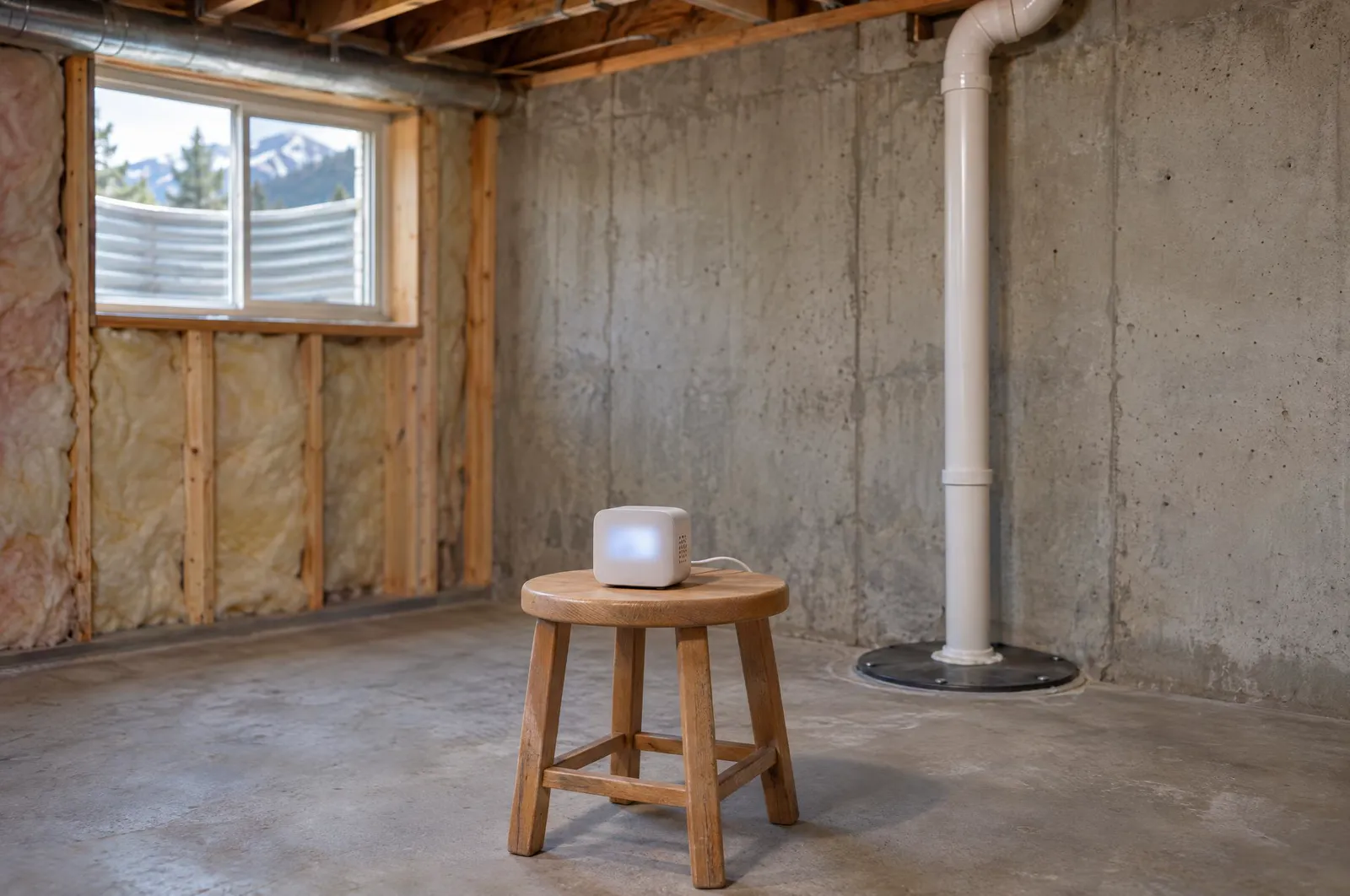
- Test the lowest livable level with windows and doors closed
- Keep closed-house conditions for 12 hours before and during the test
- Do not place the monitor near drafts, sumps or exterior walls
- Short-term tests run a few days; long-term tests run 90 days or more
For home purchases, we use continuous monitors that record hourly readings. See our radon testing service.
What does a high result mean?
The EPA recommends mitigation at or above 4 picocuries per liter. A certified mitigator usually installs a sub-slab system with a fan that vents radon above the roof. A follow-up test confirms it works.
Should buyers test during the inspection?
Yes. A radon test during your inspection window gives you time to negotiate mitigation with the seller. Many buyers schedule it with the home inspection and a sewer scope.
Where can I learn more?
Read our earlier guide, Breathe easy: understanding radon testing, and the Colorado Department of Public Health and Environment radon resources.
Originally published . Updated .
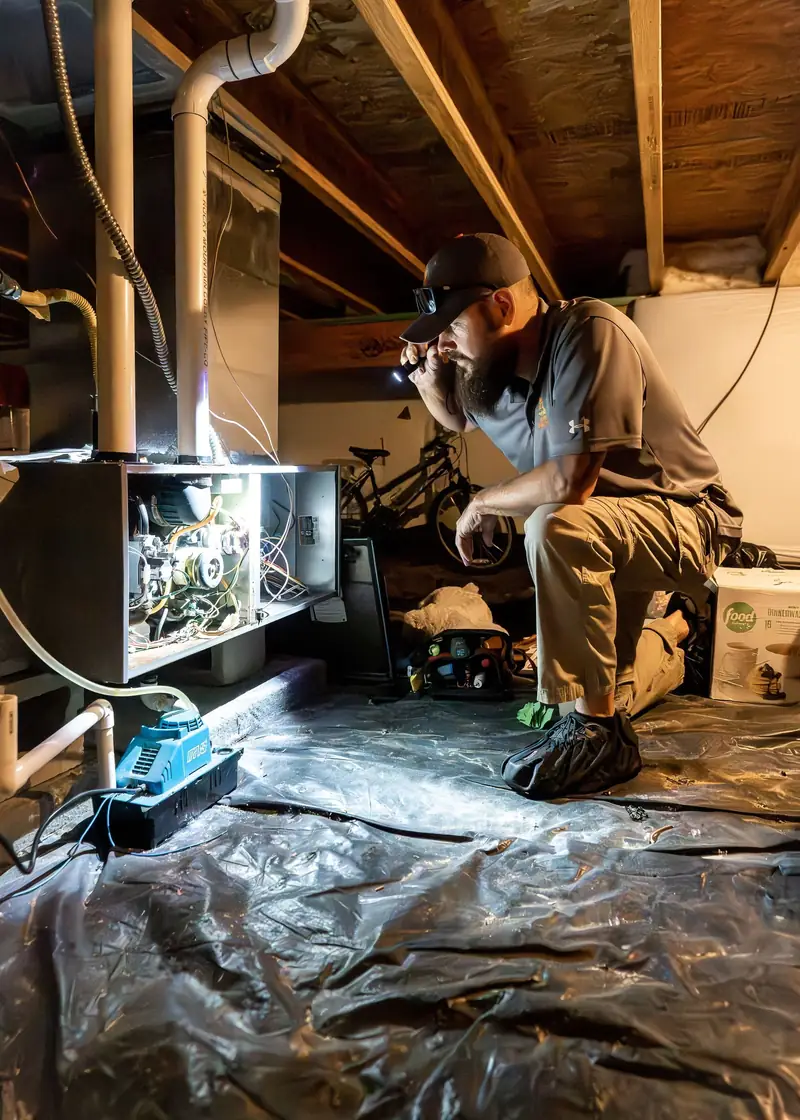
Reviewed by Drew Faulkenburg, InterNACHI Certified Master Inspector. Updated November 17, 2026.