Why is radon testing important in Colorado?
Radon is a colorless, odorless radioactive gas from soil and the leading cause of lung cancer among non-smokers. About half of Colorado homes test above the EPA action level of 4.0 pCi/L, and levels vary house to house. Testing is the only way to know. Kick A-Z radon tests start at $185.
Key takeaways
- Radon is invisible and common in Colorado homes, old and new.
- Testing is simple, affordable and the only way to know your level.
- High results can be fixed with a mitigation system.
As the new year starts, resolutions are not the only thing on our minds. So is the health of our homes. January is National Radon Action Month, which shines a light on a silent and potentially deadly threat: radon gas.
What is radon?
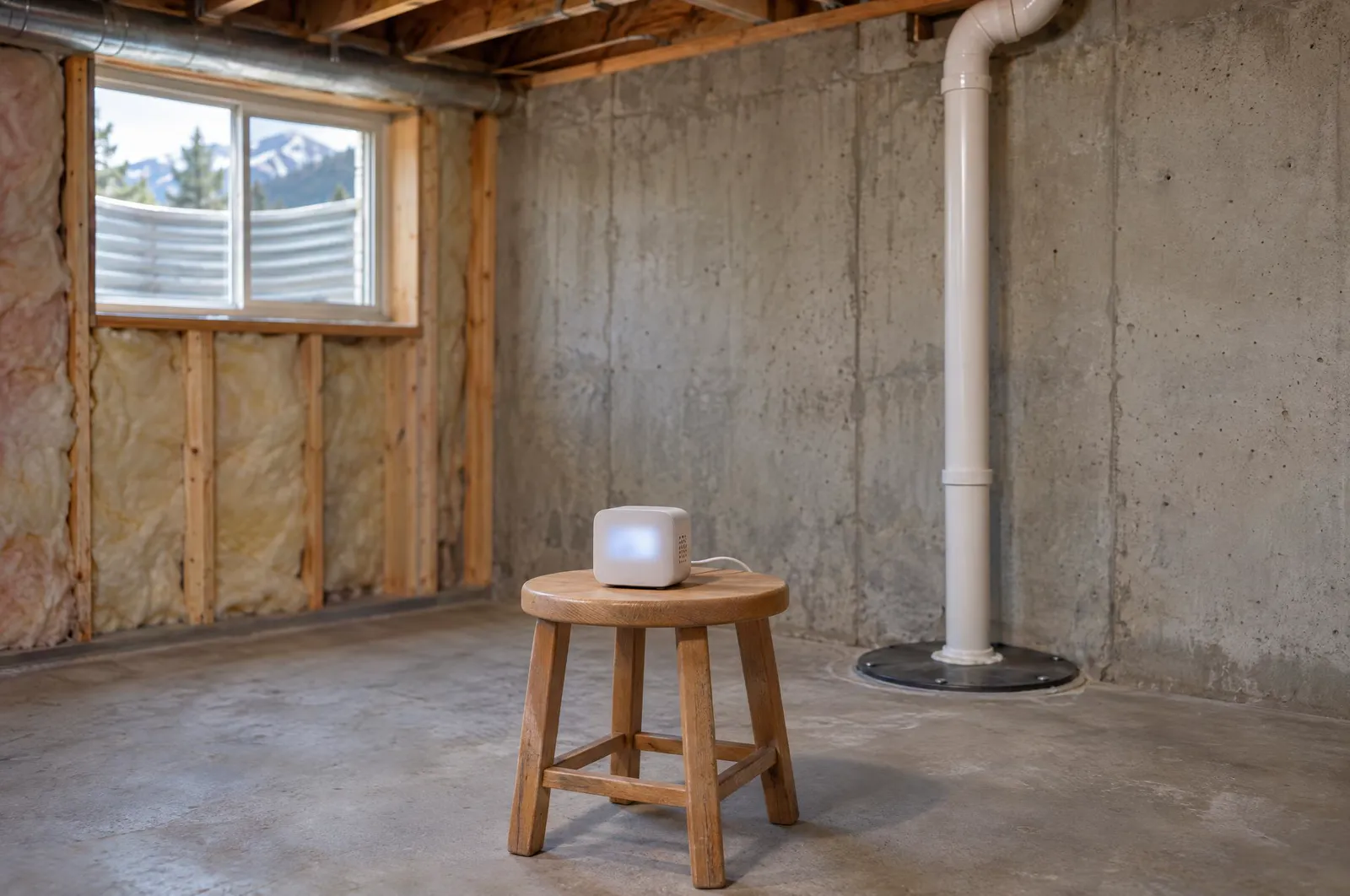
Radon is a colorless, odorless, tasteless radioactive gas that forms naturally in soil. It enters homes through foundation cracks, gaps around pipes and construction joints, and sometimes through well water. Because our senses cannot detect it, testing is the only way to know whether your levels are safe.
What are the health risks of radon?
Radon exposure is the leading cause of lung cancer among non-smokers and the second leading cause overall. Radon decays into tiny radioactive particles that can be inhaled and lodge in the lungs. Prolonged exposure to elevated levels is a serious risk.
Does radon vary from home to home?
Yes, significantly, even within the same neighborhood. It does not depend on the age of the home. New and old homes can both have high radon. In Colorado, about half of homes test above the EPA action level of 4.0 pCi/L.
How do I test my home for radon?
Testing is simple and affordable. Short-term DIY kits are available, and Weld County offers free kits while supplies last. For real estate transactions, a professional test with a continuous radon monitor over at least 48 hours is the standard. Ours are performed by a third-party NRPP-certified technician. See radon testing.
What does Colorado law say about radon?
Since August 2023, Colorado sale contracts and leases must include a radon warning, any known test results and mitigation history, and the state radon brochure. Testing is strongly encouraged.
What if my radon level is high?
Radon is fixable. A mitigation system, typically a sealed pipe and fan that vents soil gas above the roof, reduces levels substantially. Retest after installation and every two years after that.
Make radon testing a priority
Let this Radon Action Month be the month you test. It is a small step toward a safer, healthier home. Schedule a radon test.
Originally published . Updated .
Reviewed by Drew Faulkenburg, InterNACHI Certified Master Inspector. Updated November 10, 2026.