What does a home inspector check on a furnace?
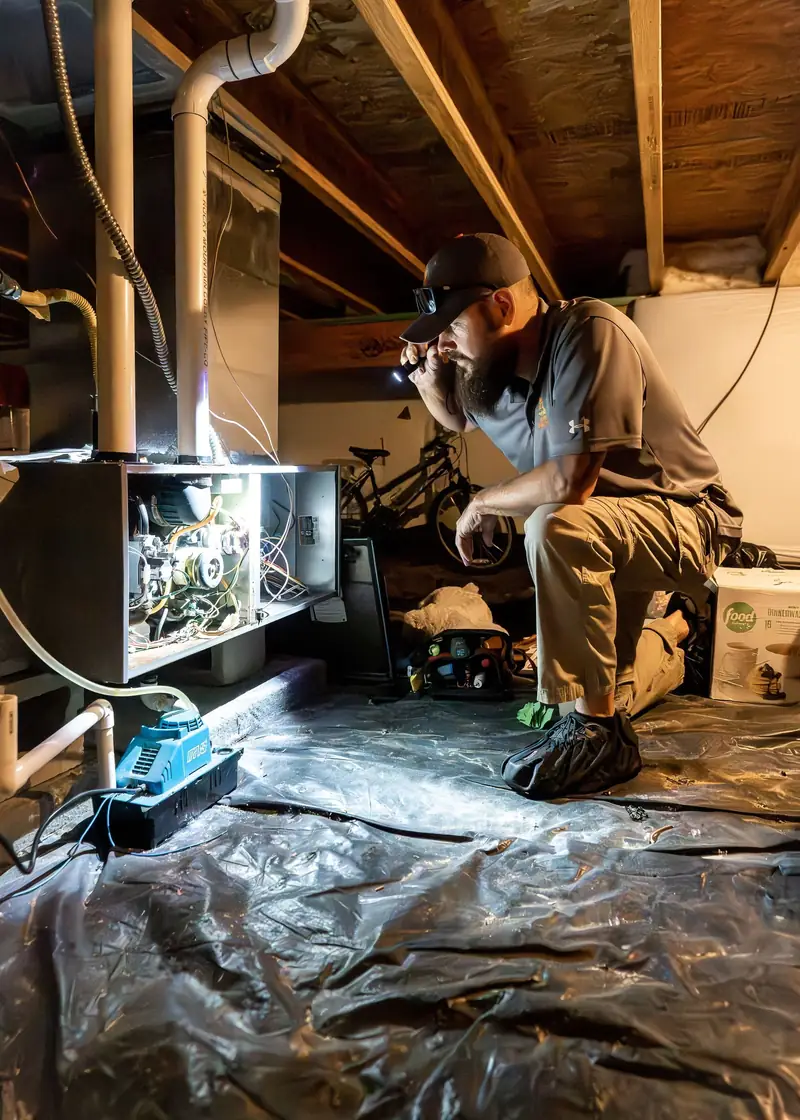
A home inspector checks that the furnace operates, looks at venting, gas connections, filters, visible heat exchanger areas, combustion air, and safety items like carbon monoxide alarms. Inspectors do not take the furnace apart, so concerns are referred to a licensed HVAC contractor for a full evaluation.
Key takeaways
- Inspectors test operation and look for visible safety concerns.
- Venting and carbon monoxide issues are the top priorities.
- A full HVAC service evaluation goes deeper than an inspection.
Heat is not optional in a Northern Colorado winter. Whether you are buying, selling or maintaining your home, the heating system deserves attention. Here is what we look at during a home inspection.
What does an inspector look at?
- Normal operation using standard controls
- Venting and flue connections, including slope and clearances
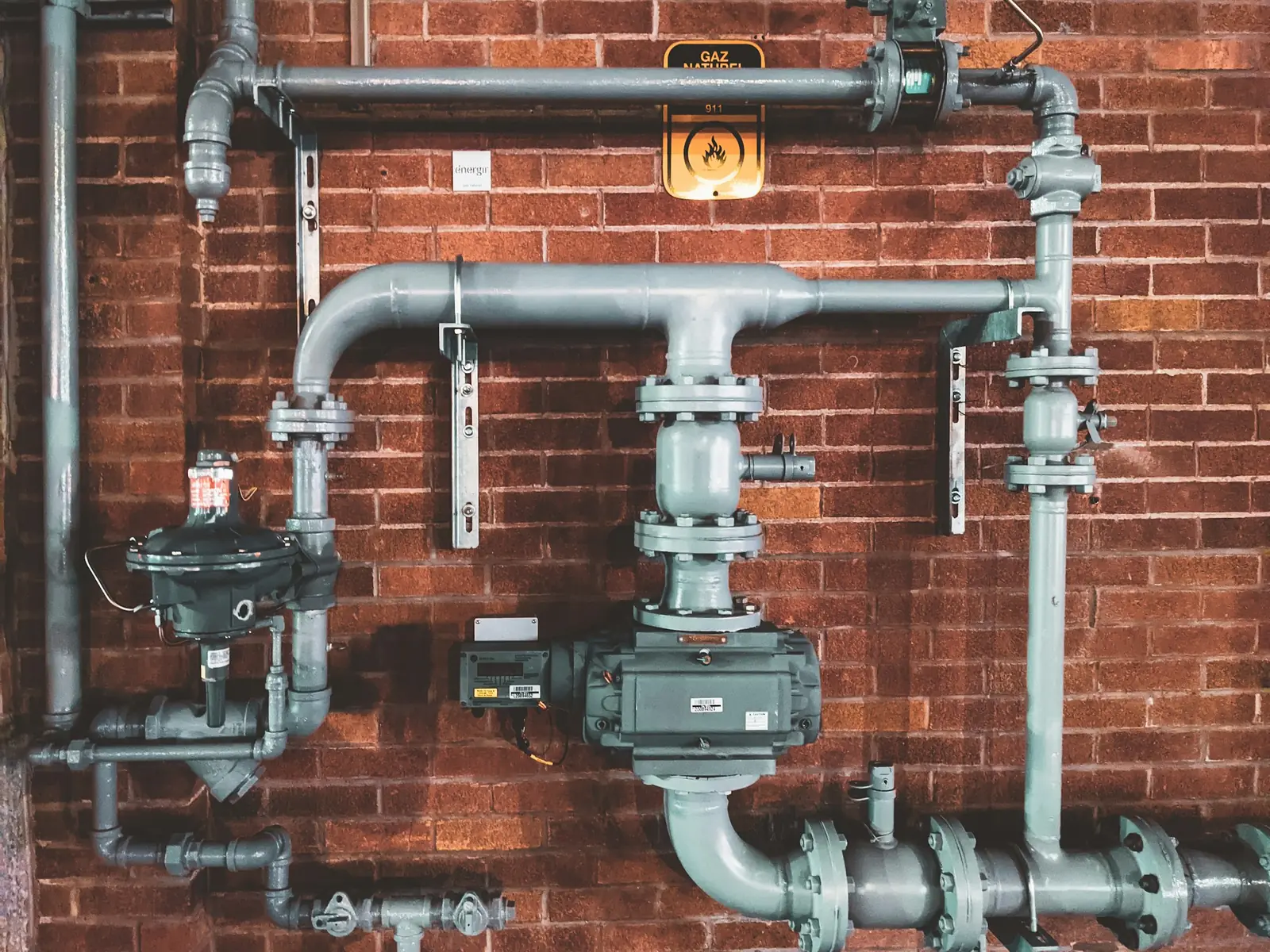
- Gas connections and shutoffs that are visible
- Filter condition and access
- Combustion air and clearances around the unit
- Carbon monoxide and smoke alarms nearby
- Signs of rust, water, scorching or past repairs
What are common heating findings?
Dirty filters, disconnected or poorly sloped vents, missing drip legs, rust from condensation, and units near the end of their typical service life are common. Vent and carbon monoxide concerns are the most important, since they affect safety.
Can an inspector tell if the heat exchanger is cracked?
Not reliably. A home inspection is visual and non-invasive. If we see signs of concern, we recommend an evaluation by a licensed HVAC contractor, who can perform deeper testing.
What maintenance helps a furnace last?
Change filters regularly, keep the area around the furnace clear, schedule annual service, and test carbon monoxide alarms. For more winter tips, read 3 tips for home care during winter and the cold of winter.
Can thermal imaging help?
Yes. Thermal imaging can show heat loss, missing insulation and air leaks around the home. If you are buying new construction, see the 11-month warranty inspection.
Originally published . Updated .
Reviewed by Drew Faulkenburg, InterNACHI Certified Master Inspector. Updated November 17, 2026.