
Mold Testing and Moisture Investigations
Mold needs moisture. In Colorado's dry climate, finding mold usually means finding a leak. We start with the cause, then test when testing will actually help you decide.
Do I need a mold test when buying a home in Colorado?
Not always. Colorado's dry climate means mold growth usually traces back to a specific leak or moisture problem. A home inspection with thermal imaging and moisture readings finds most of those. Kick A-Z recommends lab sampling when there is visible growth, a musty odor, past water damage, or a health concern, and quotes it after a short consultation.
Is mold common in Northern Colorado homes?
Less common than in humid climates, but it shows up wherever water does. The usual suspects here are roof leaks after hail, ice dams, slow plumbing drips, bath fans venting into the attic, crawlspaces with poor vapor barriers, and finished basements where groundwater or grading problems were covered up instead of fixed.
When does mold testing make sense?
Testing is most useful when it answers a question you need answered:
- There is visible growth and you want to know the type and extent
- The home smells musty but nothing is visible
- There has been a known leak, flood or sewer backup
- A family member has allergies, asthma or a compromised immune system
- You are buying a home with a finished basement and signs of past water
If there is no moisture problem and no odor, a test rarely adds much. We will tell you that honestly.
How does mold sampling work?
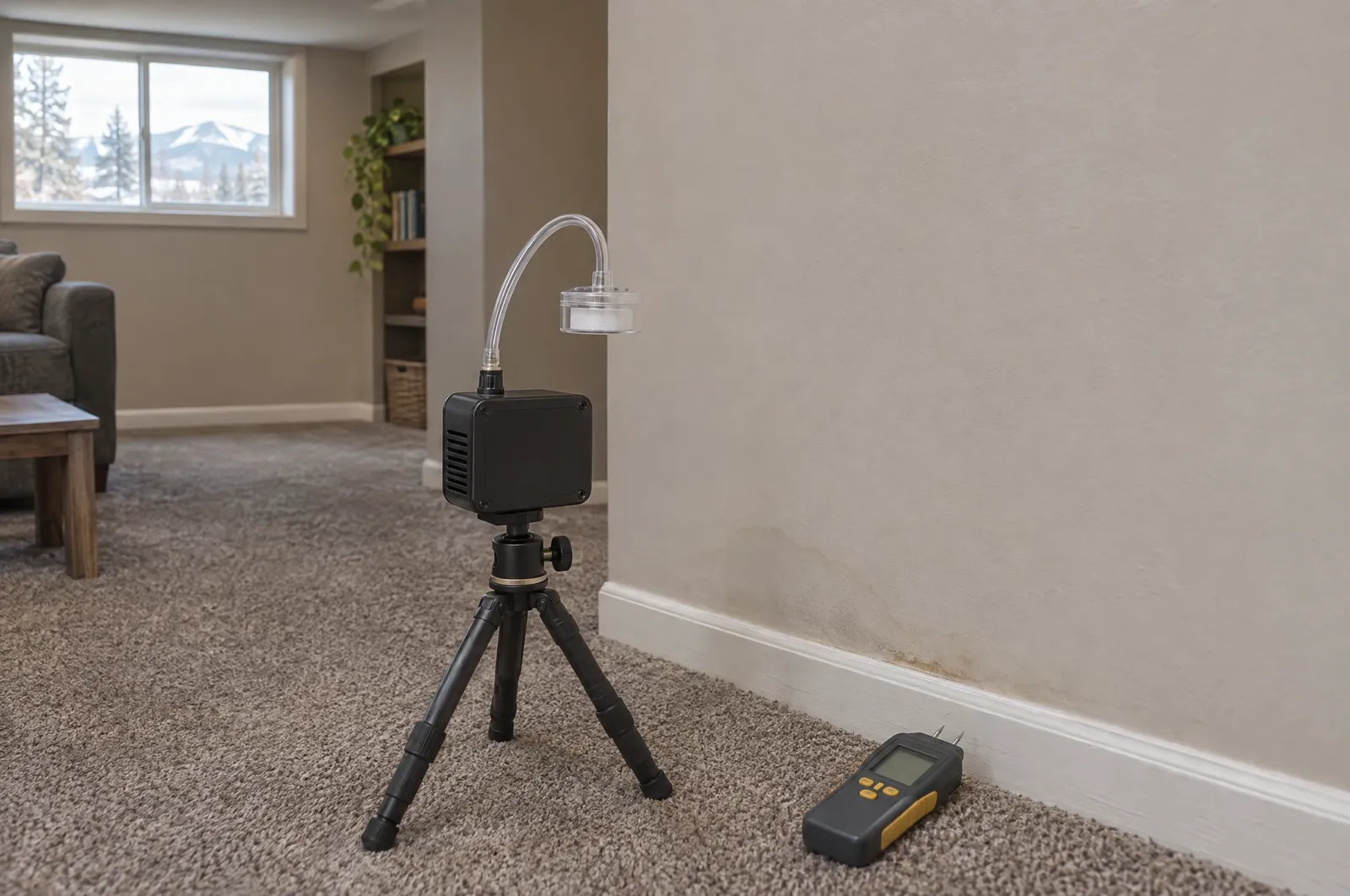
For air sampling, a pump draws a measured volume of air through a cassette indoors and outdoors. The lab compares spore types and counts to see if indoor levels are elevated. Surface samples identify what is growing on a specific material. Results usually come back within a few business days.
What happens after a positive test?
The fix is always the same in principle: stop the water, then remove or clean the affected materials. Small areas can often be handled by a homeowner. Larger areas call for a professional remediation company. We help you understand the scope so you can negotiate or plan.
What is included in mold testing?
Every item below is evaluated and documented with photos in your report.
A mold investigation can include
- Visual inspection of likely areas: basements, crawlspaces, attics, under sinks
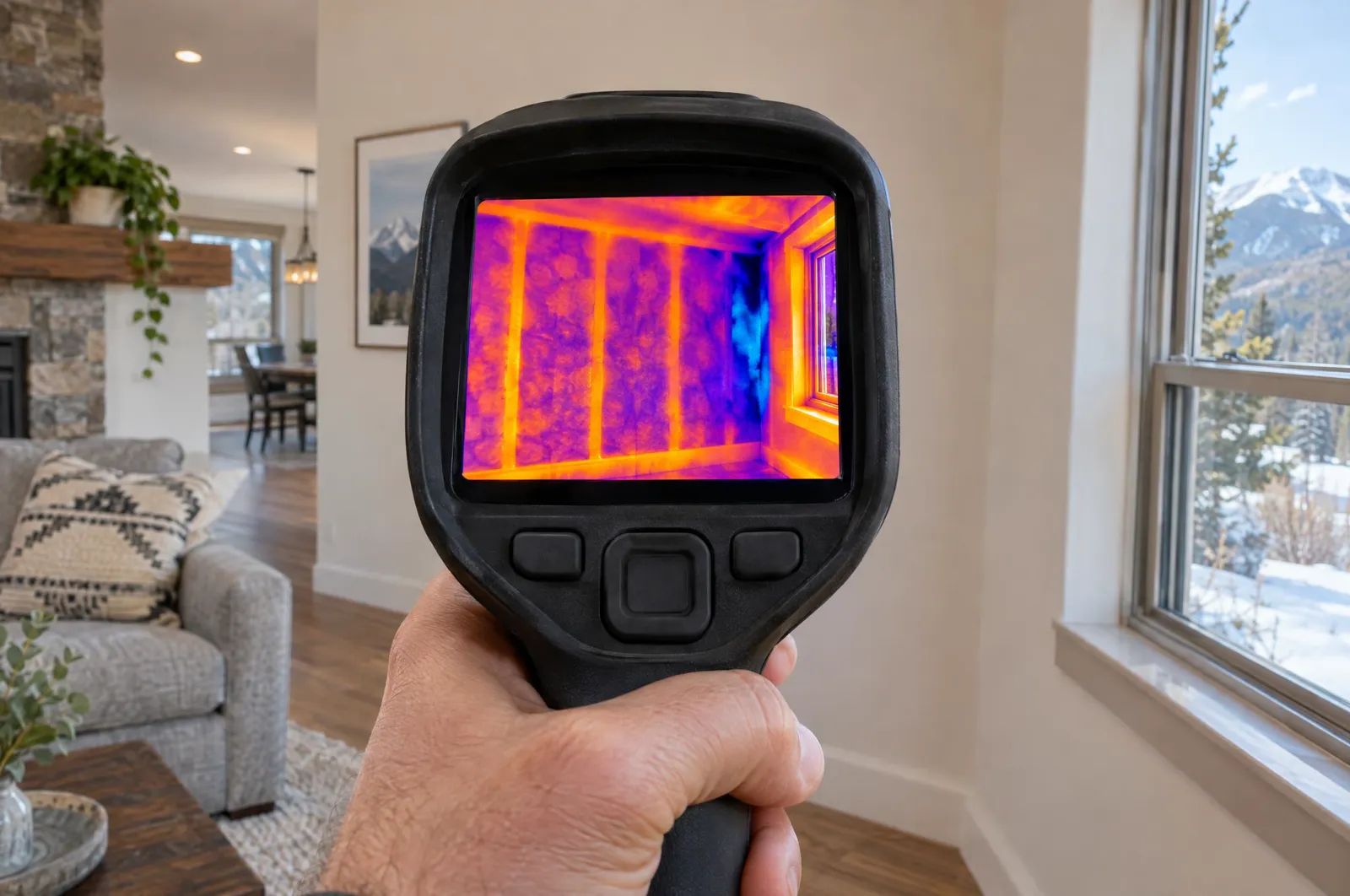
- Moisture meter readings and thermal imaging scans
- Air samples compared against an outdoor baseline
- Surface or tape samples of visible growth
- Lab analysis and a plain-English summary
- Recommendations for fixing the moisture source
Simple from booking to report
Quick consultation
Tell us what you have noticed. We will recommend whether sampling is worth it.
Find the moisture
Moisture readings and thermal imaging locate the source.
Sample if needed
Air or surface samples go to an accredited lab.
Results and next steps
You get the lab results and a clear explanation.
Mold Testing across Northern Colorado
Local details matter. Choose your city for mold testing notes specific to your area.
A Certified Master Inspector who built homes first
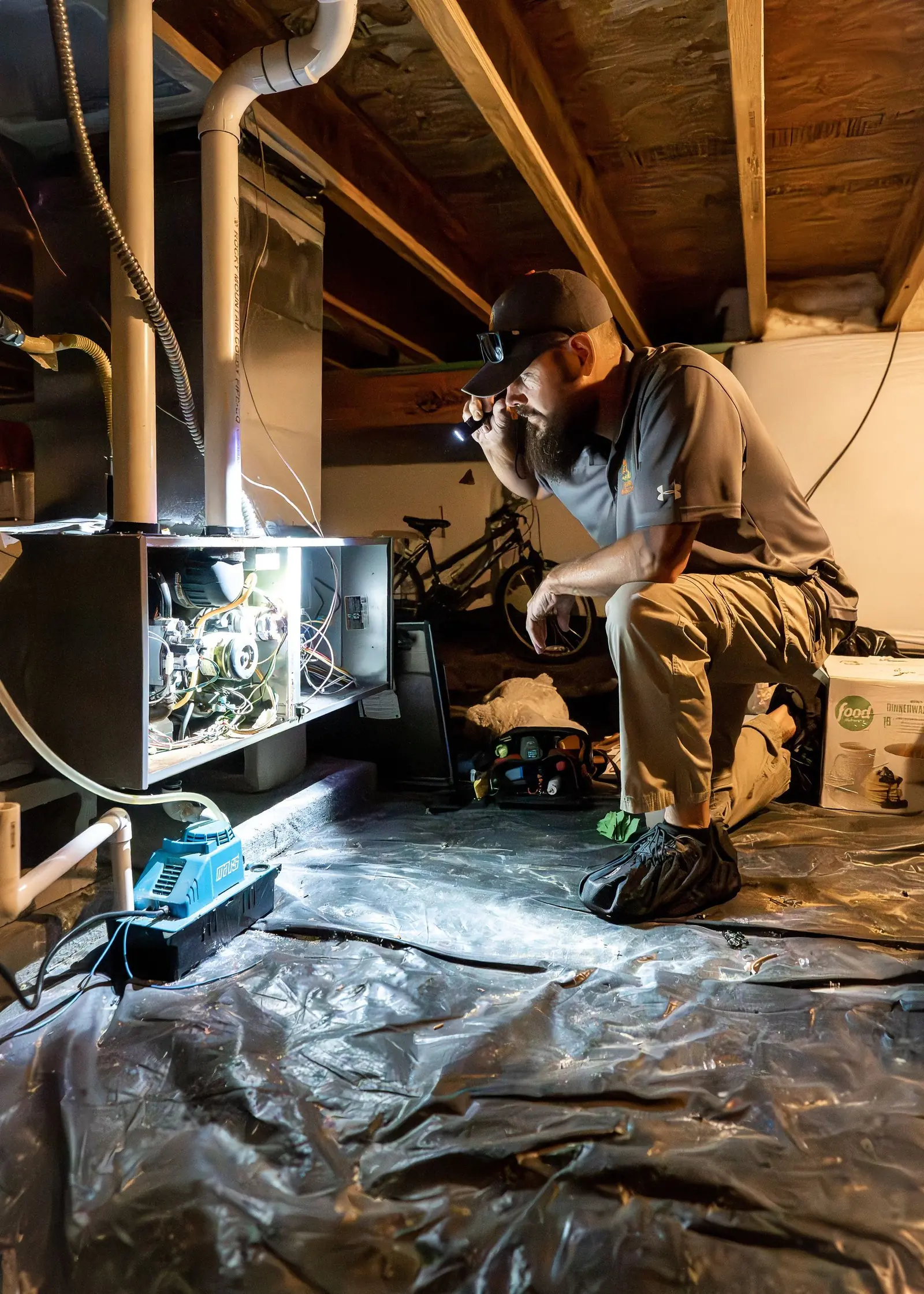
Drew spent more than 15 years as a general contractor before he inspected his first home. He inspects every property himself, explains findings in plain English, and usually has your report to you the same day.
“Drew and Christina are fantastic. When you find an inspector who is responsive, professional, and really knows their stuff, it makes all the difference! I'm happy to refer my clients to Kick A-Z, having used them as a buyer myself. 100% recommend this great, family-owned business!”
 Jamie BoyleReal estate agent
Mold Testing questions
How much does mold testing cost?
Does a home inspection check for mold?
Is black mold dangerous?
Can mold hide in a finished basement?
Related services
Thermal Imaging Inspection
By square footage
Infrared scanning that reveals moisture, missing insulation and hot electrical connections. Included with every home inspection.
Home Inspection
From $380
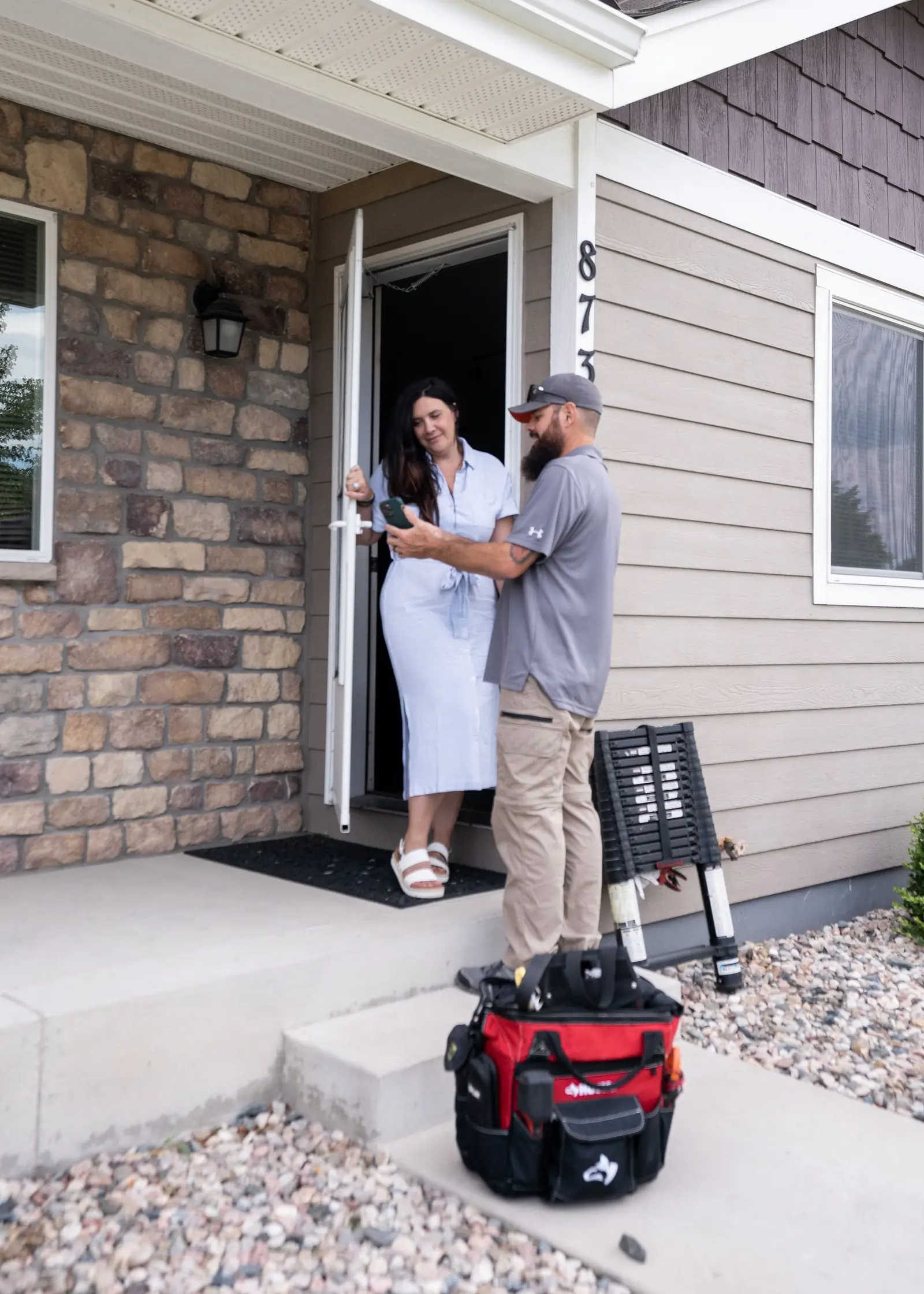
A full visual inspection of the home's structure and systems before you close, with thermal imaging included.
Radon Testing
From $185
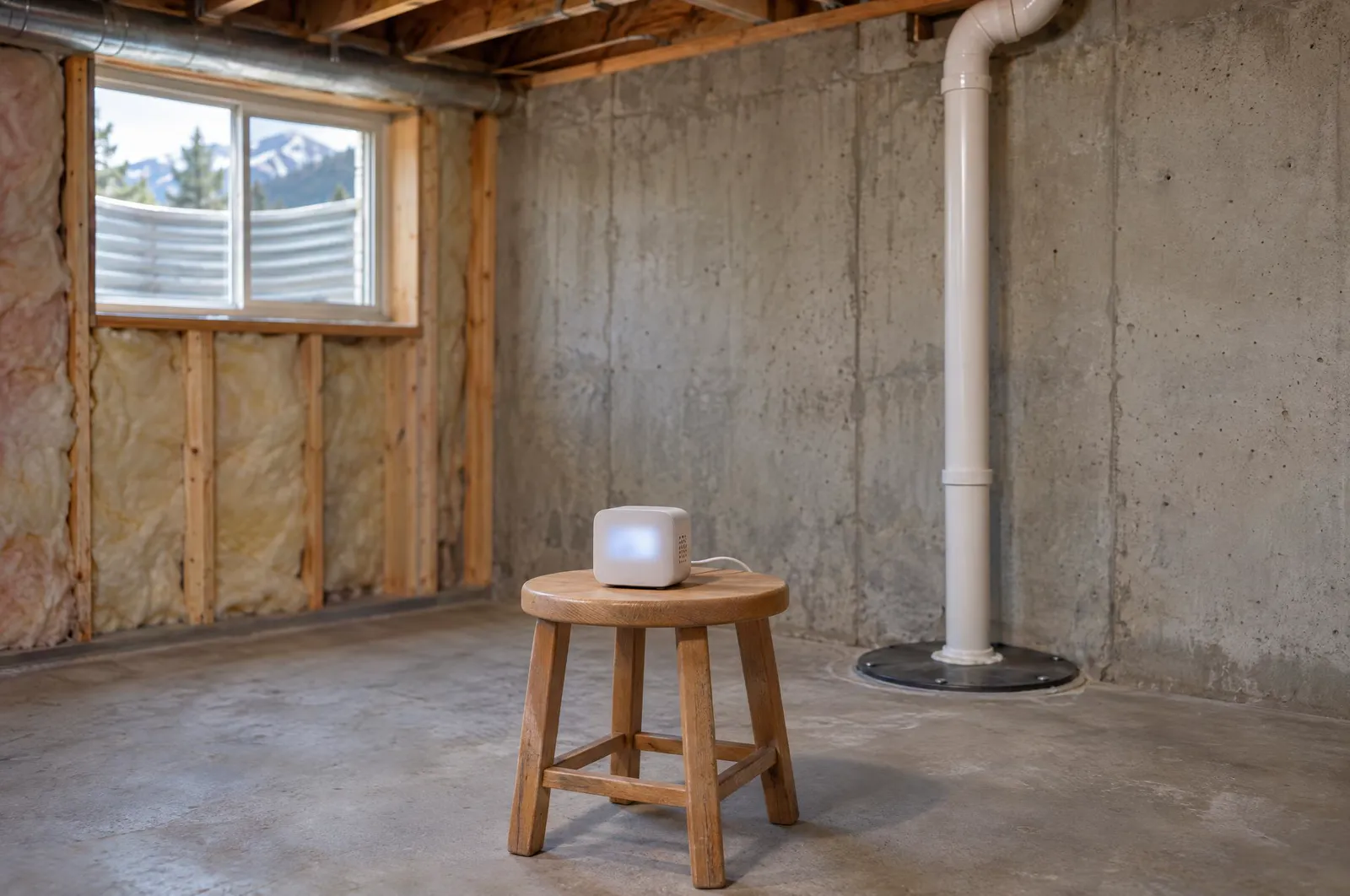
Continuous-monitor radon tests by an NRPP-certified technician, from $185. About half of Colorado homes test high.
Asbestos Testing
Quoted per project
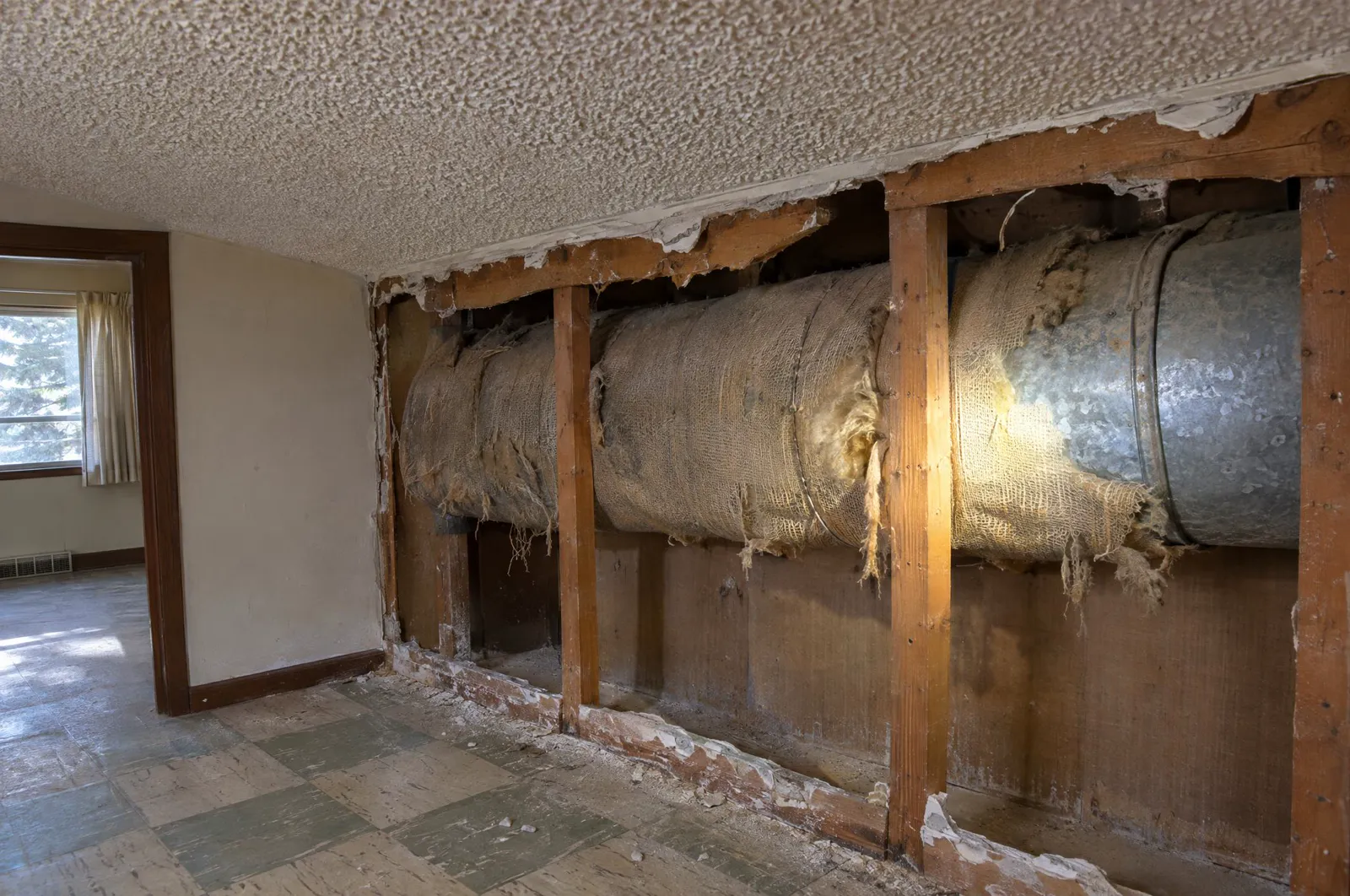
Sampling of suspect materials through a nationally certified, bonded and insured asbestos partner.
Ready to know your home inside and out?
Book online in two minutes, or call and Christina will build the right inspection package with you.
- Monday to Friday
- 9:00 am to 4:00 pm
- Saturday
- 9:00 am to 3:00 pm
- Sunday
- Closed
- Text Christina
- 303-912-5848