What does Colorado HB25-1272 change for new home buyers?
HB25-1272 created a voluntary program for builders of attached multifamily homes such as townhomes and condos. Participating builders provide a 1-2-6 warranty and third-party inspections at key stages in exchange for stronger legal protections. It also tightened the defect claim process for everyone, which makes documenting problems early with independent inspections more important.
Key takeaways
- The Multifamily Construction Incentive Program is voluntary and applies to attached homes.
- Participating builders offer a 1-2-6 warranty and third-party stage inspections.
- Defect claims now follow a stricter notice, document and repair-offer process.
Colorado took a bold step toward its housing shortage by passing legislation aimed at making it easier, and less risky, for builders to develop multifamily homes. House Bill 25-1272, also known as the Colorado American Dream Act, changes how construction defect claims are handled across the state. Whether you are a buyer, agent or builder, it can affect how you buy, sell or build new homes.
Why does this law matter?
For years Colorado saw a sharp decline in condo and townhome construction, down 84 percent between 2007 and 2022. Builders feared costly construction defect lawsuits, which often grew from minor issues into major insurance and legal costs. As a result, fewer entry-level homes were built, especially along the Front Range.
The new law offers incentives and protections for builders who meet stricter quality guidelines, while preserving homeowner rights.
What is the Multifamily Construction Incentive Program?
It is a voluntary program for builders of attached multifamily homes like townhomes and condos. In exchange for higher standards, they receive more legal protection.
What do participating builders have to do?
- Provide a 1-2-6 warranty: one year for materials and workmanship, two years for systems like electrical, heating and cooling, and plumbing, and six years for structural elements.
- Complete independent third-party inspections at key stages of construction.
- Declare participation before listing units for sale.
What protections do builders get?
- A shorter lawsuit window, six years instead of up to ten.
- Claim limits, so only serious defects affecting safety, function or causing significant damage can be pursued.
- Warranty first, meaning buyers must work through the warranty process before filing suit.
- A presumption that a home with a certificate of occupancy was delivered without defects, unless proven otherwise.
What changed for every defect claim?
Even outside the program, builders and owners now follow a more structured process:
- Notice of defect at least 75 days before filing suit, or 90 days for commercial property.
- Document exchange, with builders providing plans, inspection reports and insurance information within 60 days.
- Repair offer window, giving builders 90 days to inspect and offer repairs or a settlement.
- Attorney fee shifts, where a homeowner who unreasonably rejects a good-faith offer may owe the builder's fees, and a builder who fails to offer a fair solution may owe the owner's.
What about HOAs?
To make sure lawsuits reflect the will of owners, the law requires 65 percent of unit owners to approve any construction defect lawsuit, and settlement funds must go to repairs first, not operating costs or reserves.
What are critics saying?
Many see the law as a win for affordability. Some legal experts and consumer advocates have raised concerns about the burden on homeowners to mitigate damages and follow procedure, vague language around what counts as a material defect, and how the document requirements play out in practice.
What does this mean for buyers?
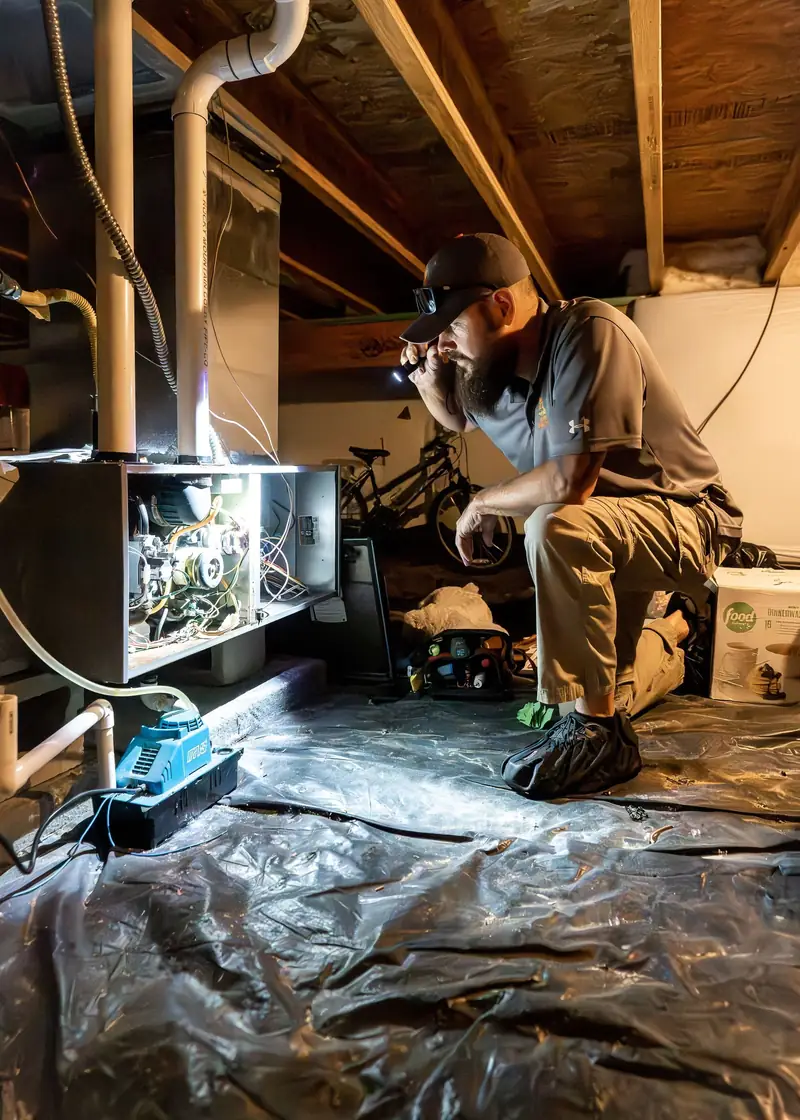
The goal is to restart condo and townhome construction. For buyers, the practical lesson is the same as ever: document problems early, in writing, while warranty coverage is clear. That is exactly what pre-drywall, pre-closing and 11-month warranty inspections are for.
Looking at a newly built home? We always recommend a third-party inspection, even on new construction. These new protections are a good step, but there is no substitute for someone in your corner who knows what to look for. Talk with us about your build.
Originally published . Updated .
Reviewed by Drew Faulkenburg, InterNACHI Certified Master Inspector. Updated November 10, 2026.